


Twelve months into the project, HALO-TEX partners gathered at Wageningen University & Research for two days of collaboration, from reviewing scientific progress to visiting the biomass processing facilities firsthand.
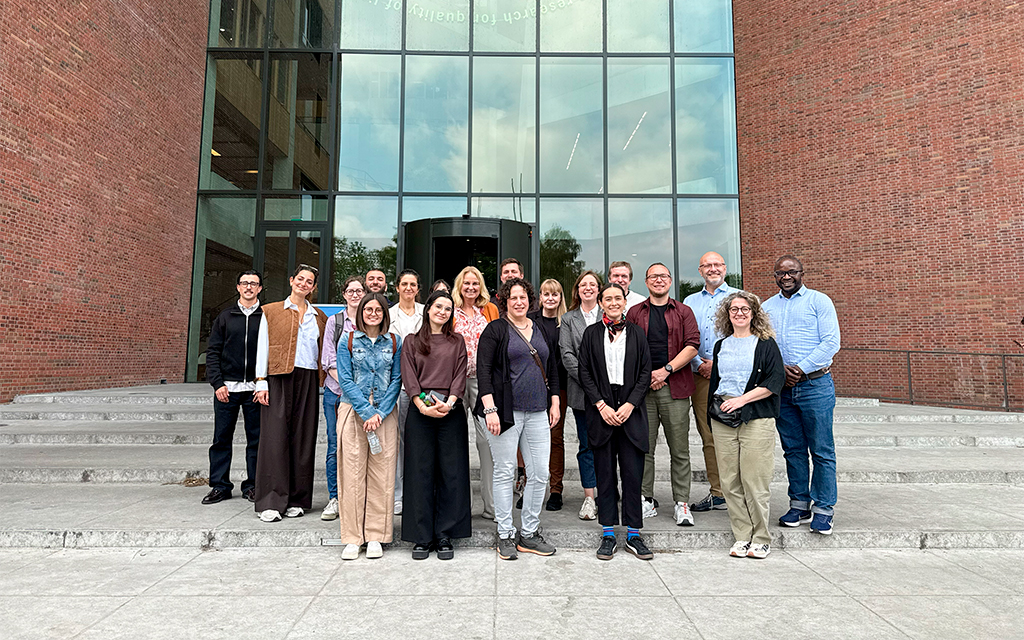
One year into the project, HALO-TEX gathered its full consortium for a two-day meeting on June 16–17, 2026, hosted at Wageningen University & Research in the Netherlands.
Representatives from all 10 partner organizations came together for two intense days of collaboration, reflection, and forward planning, reviewing a year of progress and building on the connections driving the development of sustainable textiles, biocomposites, and high-value biochemicals from halophyte feedstocks.
Day 1: A year of scientific development
The first day was devoted to assessing the work completed over the past twelve months, agreeing on the following steps, and discussing what lies ahead for the project.
The consortium assessed advances across all scientific objectives, from optimizing the biorefinery process to developing bio-based additives and producing the project's first cellulose-based textile prototypes.
Multiple key performance indicators are now within close reach, and new lines of work have been launched around textile recycling and digital product information systems, building upon the goals HALO-TEX initially set out to achieve.
The day also brought a valuable moment for the consortium: an in-person meeting with the project's Project Officer, giving a great opportunity to align directly on progress and priorities for the months ahead.
Partners also took the opportunity to agree on the practicalities that keep a project like this moving: sharing data on time, coordinating biomass procurement across work packages, and agreeing on technical requirements that connect one stage of the biorefinery process to the next.
On the communication side, HALO-TEX keeps building momentum: our social media channels are growing with new videos, we've launched an infographic on halophytes, and we're moving forward on clustering activities with other projects to exchange knowledge and increase our impact together.
Day 2: From theory to practice
The second day took the consortium from theory to practice with a visit to the biomass processing facilities at Wageningen Food & Biobased Research.
Partners got to know the facilities firsthand, seeing the extraction and processing steps in action and acquiring a clearer picture of how halophyte biomass is transformed.
The visit was also a chance to meet other ongoing projects at the site. It triggered rich discussion on approaches to increasing resource efficiency.
Looking ahead
The consortium closed the meeting by agreeing on the following steps for data collection, stakeholder engagement, and reporting, keeping the project firmly on track toward its milestones.
New workshops and advisory board meetings were also scheduled, ensuring HALO-TEX continues to benefit from external expertise and open knowledge exchange.
Twelve months on, the meeting at Wageningen confirmed the consortium's joint commitment to building sustainable solutions for the textile industry through collaboration and development.