HALO-TEX is already in motion

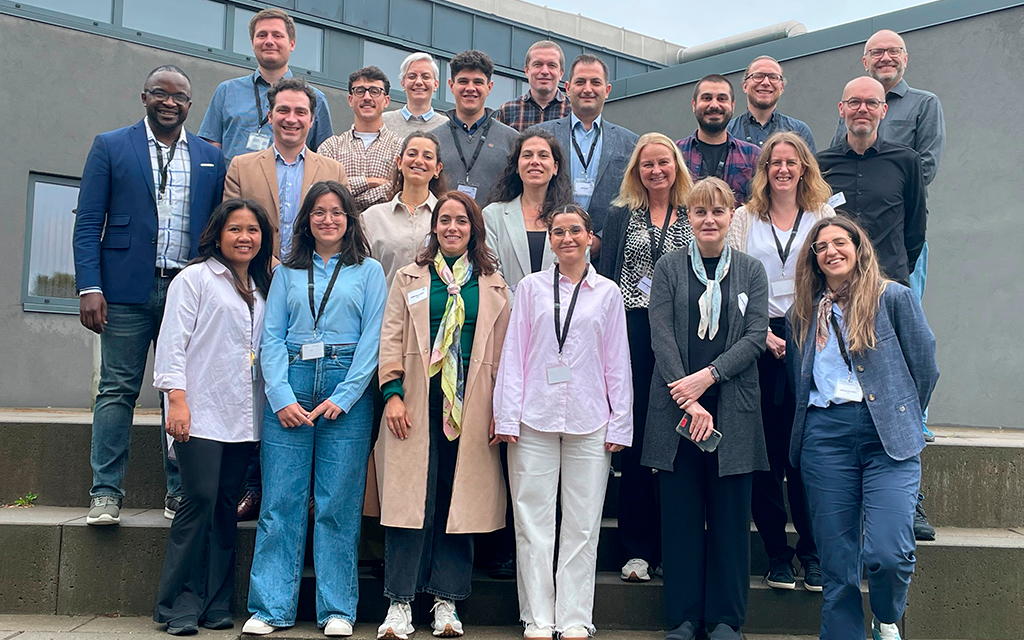
The HALO-TEX project has started! The official kick-off took place on June 10th and 11th 2025 at Esbjerg (Denmark). The project coordinator -Aalborg University- hosted a fruitful event in which the consortium team started planning the next four years of research.

Image
Halo-Tex Kick off meeting

During the in-person event, partners from Denmark, Belgium, The Netherlands, Italy, Spain and Turkey had the chance to share their ideas for task implementation during the project and their ambitions for a successful achievement of the project goals.

The team aims to contribute to advancing textile-manufacturing processes in combination with the biochemical industry.

More specifically, a new circular manufacturing system via the biorefinery of salt-tolerant (halophyte) plants will be developed and implemented in HALO-TEXT. The project will focus on the production of yarns and fabrics keeping sustainable and circular perspectives at the very centre of the research.

The HALO-TEX consortium brings together leading expertise in applied R&D, including industrial textile processes, cosmetics formulation and development, valuable biomass extraction and processing, circular and bioeconomy, process monitoring and quality control, as well as specialized scientific communication and research results valorization.

Stay tuned for further HALO-TEX news!
Last Articles

Image
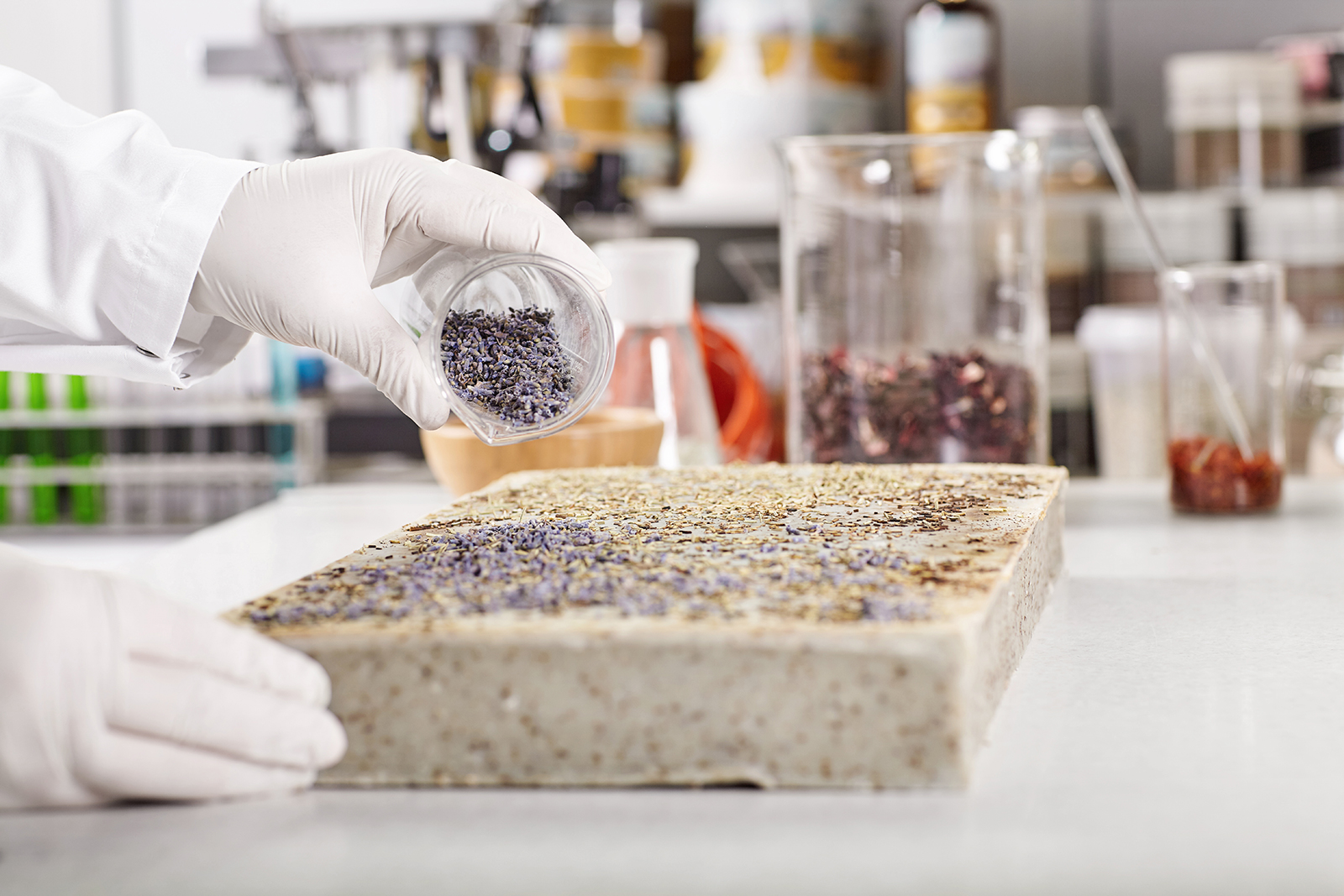
Researcher wearing protective gloves sprinkling dried lavender flowers onto a plant-based material sample in a laboratory.

Step by step: how HALO-TEX takes halophytes apart

HALO-TEX processes halophytes step by step, so that every part of the plant finds a use. After a first stage at Aalborg University, the biomass reaches Wageningen, where cellulose and lignin are separated and the process is being scaled up for the project partners.

Image
Newsletter #1

From salty soils to your inbox: The first HALO-TEX Newsletter is here

Most crops cannot survive in saline soil. Halophytes thrive there. At HALO-TEX, we are investigating how these remarkable plants can become a sustainable source of biomaterials and biochemicals for the textile sector, and our new newsletter is your window into that journey.