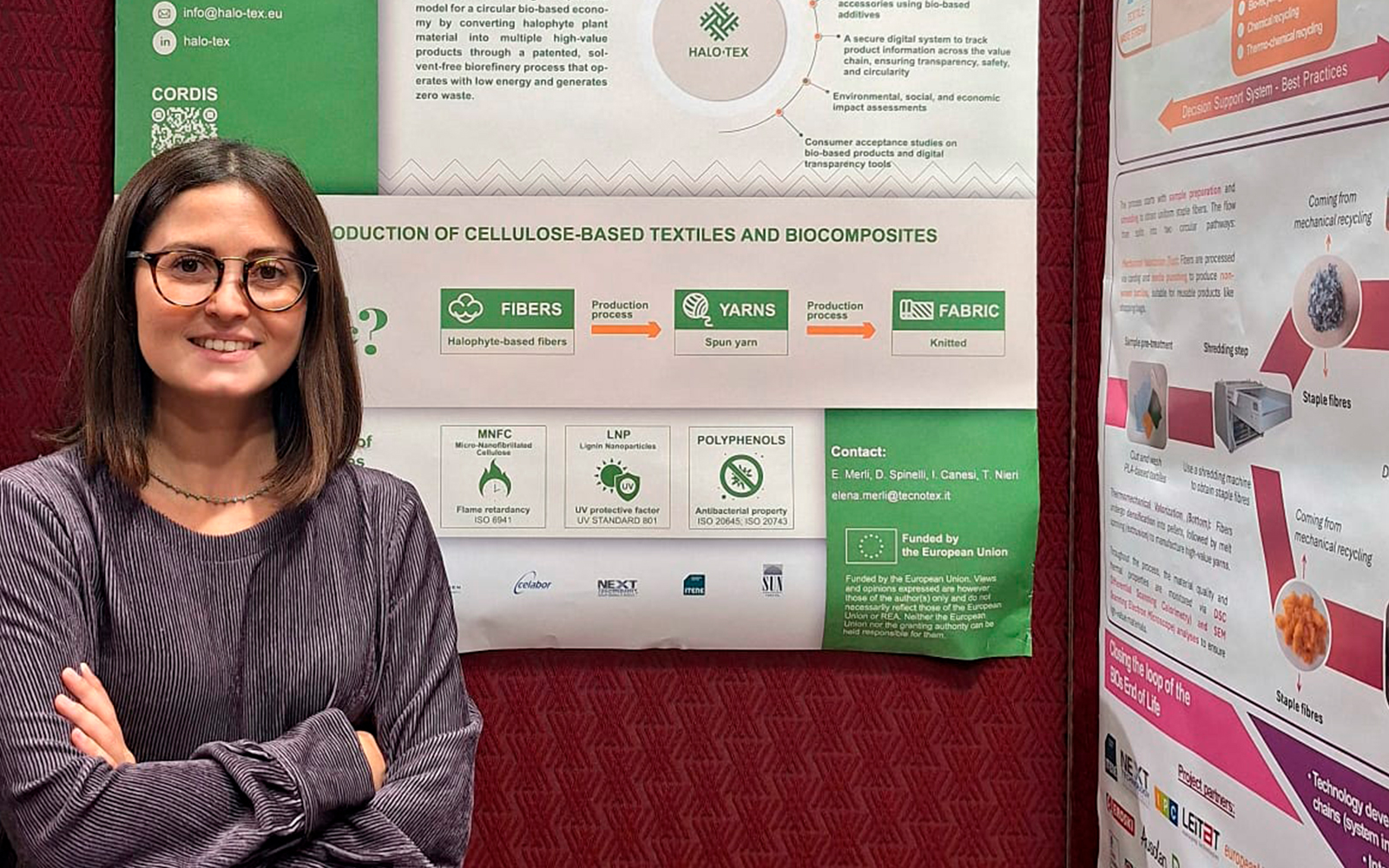
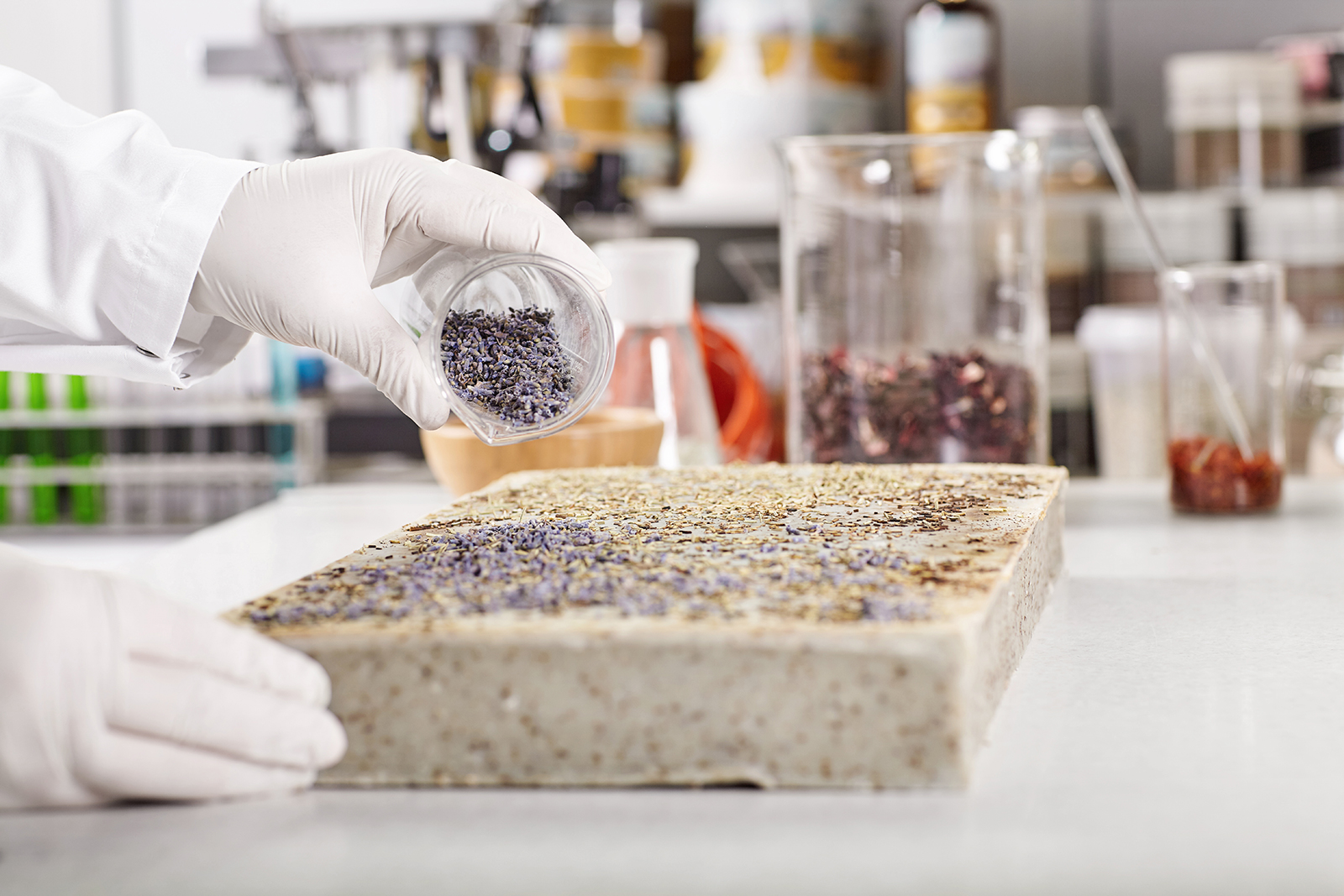
At Wageningen Food & Biobased Research (WFBR), part of Wageningen University & Research, the HALO-TEX team is scaling up the process that separates halophyte biomass into cellulose and lignin for the other project partners. "Our process is really key, because it separates the different ingredients that other partners can then use further," says Gijs van Erven, senior scientist in biorefinery and lignin chemistry at WFBR.
HALO-TEX is developing a cascading biorefinery for halophytes, plants that grow in salty soils. Instead of using just one part of the plant, the project processes the biomass step by step, so that each fraction can become a different bio-based product. Partners across the whole value chain take part.
The process relies on a patented, solvent-free extraction system that recovers valuable compounds while preserving the quality of the fibre. It is designed for low energy use and zero waste, supporting soil regeneration and creating new opportunities in the circular bioeconomy.
Each step is handled by a different partner. The first takes place at Aalborg University (AAU) in Denmark, where the polyphenols and hemicellulose are extracted from the biomass. What remains, lignin and cellulose, then travels to Wageningen, where separating the two is WFBR's job.
The team does this with an alkaline process. At the end, they obtain dried lignin on one side and washed cellulosic pulp on the other, which are sent to partners for small-scale testing.
The process was first run at a very small scale, with 25 grams of material in a half-litre reactor. That is not enough for the partners' work, though. "For actual testing, we need to work at a much larger scale," van Erven explains.
The next step is a 20-litre reactor that can process one kilogram of biomass, followed by a 50-litre conical reactor with a screw stirrer that can take up to four kilograms at once [confirm]. The task stays the same at every scale: separating cellulose from lignin, now in quantities large enough for the rest of the consortium.
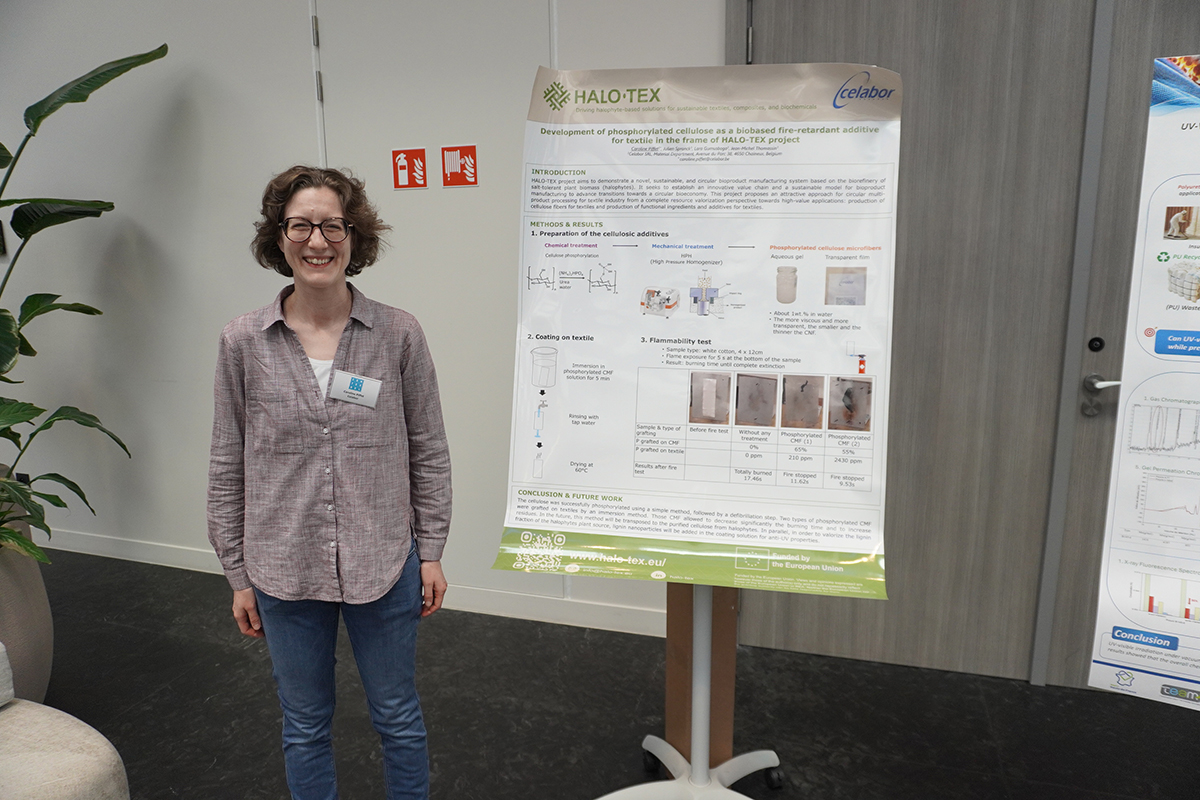
With this material, partners can start testing the fractions in textiles, bio-based composites, antimicrobials and flame retardants. Celabor, for example, is developing a flame retardant from halophyte cellulose.
For van Erven, HALO-TEX is "a really great opportunity to look at the unique features of halophyte feedstocks", from their cellulose and lignin to all the other constituents of these plants.